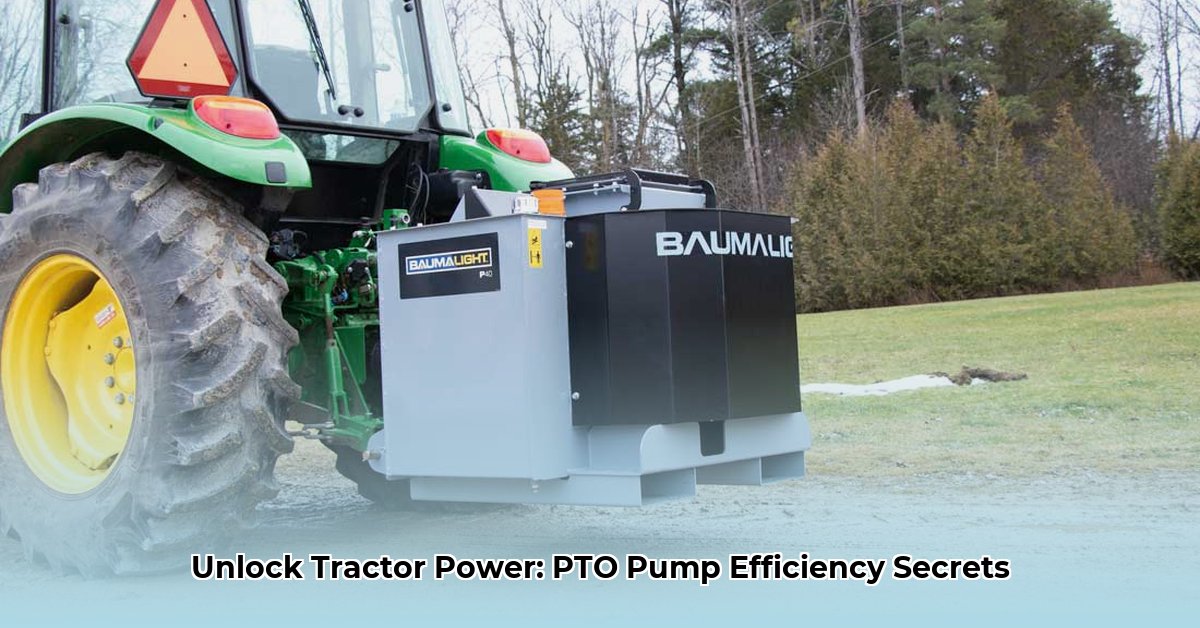
PTO Driven Hydraulic Pump Tractor: Optimizing Your System
This guide focuses on maximizing the efficiency of your PTO-driven hydraulic pump tractor. It's not just about completing tasks; it's about doing so efficiently and sustainably. This involves understanding your system's mechanics, proactively addressing potential problems, and making strategic improvements to boost performance. Why is efficient hydraulic system operation so important for modern farming? Because it directly impacts your bottom line, reducing fuel consumption, maintenance costs, and downtime while increasing overall productivity. For more in-depth information, check out this helpful resource.
Understanding Your Tractor's Hydraulic System: Power in Motion
Your tractor's hydraulic system functions like a sophisticated power delivery network. The power take-off (PTO) shaft, driven by your tractor's engine, provides the initial mechanical energy. This is then converted into hydraulic power by the pump – essentially, the system's heart, pumping fluid throughout. This hydraulic power subsequently operates all attached implements, from sprayers and loaders to tillers. Each component's seamless operation is essential for peak efficiency. A single point of failure can noticeably decrease overall system performance.
Troubleshooting: Identifying Performance Bottlenecks
Before implementing solutions, let's identify common issues affecting efficiency. Sluggish implements? Excessive engine strain? Unexpectedly high fuel bills? These are potential indicators of underlying problems.
Some common causes of reduced efficiency include:
- Mismatched Components: Using a low-capacity pump with high-demand implements is like using a small car to tow a heavy trailer – inefficient and potentially damaging.
- Hydraulic Leaks: Even small leaks waste hydraulic fluid, diminishing system effectiveness and increasing costs.
- Neglecting Maintenance: Skipping routine maintenance can lead to premature component wear and failure, resulting in costly repairs and downtime.
- Obsolete Equipment: Outdated or poorly designed implements can be less efficient, demanding more power for the same output.
Boosting Efficiency: Practical Strategies for a High-Performing System
These strategies focus on small changes that add up to substantial improvements:
1. Selecting the Right Pump: Pump selection is critical. The pump's flow rate, pressure, and horsepower must precisely match the implement's demands. An underpowered pump struggles, leading to inefficiency; an overpowered pump wastes energy. Proper sizing ensures optimal performance and longevity.
2. Consistent Maintenance: Proactive System Care: Regular maintenance is an investment, preventing costly repairs and maximizing equipment lifespan. Regularly inspect for leaks, change filters and fluid according to the manufacturer's recommendations, and inspect hoses and connections for wear.
3. Using the Correct Hydraulic Fluid: Employing the right hydraulic fluid is vital for efficient operation and component protection. The fluid's viscosity should match the operating temperature range. Improper viscosity can significantly reduce pump performance and accelerate component wear.
4. Considering Upgrades: Upgrading to newer, energy-efficient components can improve flow rates, control precision, and reduce energy waste. This is akin to upgrading a computer – resulting in significant performance improvements.
A Practical Maintenance Checklist
This checklist is designed for integration into your regular tractor maintenance routine. Always prioritize safety and consult your owner’s manual.
Step 1: Inspect Hydraulic Lines: Carefully examine all hydraulic lines for damage, cracks, or leaks. Repair or replace damaged components promptly.
Step 2: Change Hydraulic Fluid: Follow manufacturer recommendations for fluid type and quantity. Dirty fluid significantly reduces efficiency and damages components.
Step 3: Filter Replacements: Regularly check and replace hydraulic filters. Filters prevent contaminants from damaging your pump and other crucial parts.
Step 4: Check Fluid Levels: Maintain the correct hydraulic fluid levels. Low fluid levels lead to pump cavitation, causing severe pump damage.
Troubleshooting Common Problems and Their Solutions
This table outlines several common problems and their relevant solutions:
| Problem | Possible Cause(s) | Solution |
|---|---|---|
| Slow Implement Response | Low hydraulic pressure, leaks, insufficient pump flow | Check pressure, repair leaks, consider a higher-flow pump |
| Overheating Hydraulic System | Insufficient fluid, leaks, restricted fluid flow | Check fluid levels, repair leaks, clean filters |
| Noisy Hydraulic Pump | Low fluid levels, air in the system, worn pump parts | Check fluid levels, bleed air, consider pump replacement |
Important Note: Always consult your tractor and implement manuals for precise instructions and safety measures. Improper maintenance can result in severe damage or injury.
Choosing the Right Hydraulic PTO Tractor Pump for Sustainable Farming
Efficiency is paramount in sustainable agriculture. Choosing the right pump is essential for optimizing your operations, reducing resource consumption, and minimizing environmental impact.
Understanding Your Needs: A Foundation for Pump Selection
Before choosing a pump, assess your needs carefully. What are the primary functions of your tractor's hydraulic system? What implements will it operate? A high-flow pump is necessary for large implements, while a smaller pump might suffice for less demanding tasks. Also, consider the pressure requirements; higher pressure systems provide greater power for more demanding applications.
Flow Rate, Pressure, and Horsepower: The Essential Hydraulic Parameters
Understanding the key parameters of hydraulic pumps is crucial for selecting the right model. Flow rate (GPM) indicates the volume of fluid moved. Pressure (PSI) represents the force generated. Horsepower (HP) is the pump's available power. Matching these parameters to your implements is crucial. An underpowered pump leads to inefficiency and damage; an overpowered pump leads to unnecessary energy consumption. Your tractor's PTO horsepower rating limits the maximum pump size. Consult your tractor's manual for this vital information.
Material Selection: Cast Iron vs. Aluminum
Durability is a key consideration, especially in the demanding agricultural environment. Cast iron pumps offer exceptional durability and are relatively easy to repair. Aluminum pumps are lighter but more susceptible to damage. The material choice depends on your workload and budget considerations.
Pump Configuration: Side or Rear Mount?
Pumps come in side or rear mounting configurations. Side mounts simplify installation in some cases but may necessitate custom fabrication. Rear mounts often provide better weight distribution. The best choice depends on your tractor and implement layout.
Installation and Maintenance: Long-Term Reliability
Accurate installation is essential for optimal pump operation. Follow the manufacturer's instructions precisely. The PTO shaft and pump input must be perfectly aligned to prevent premature wear. Regular lubrication, hose inspection, and fluid changes are critical for maximizing pump lifespan and preventing premature failure.
Choosing Your Pump: A Step-by-Step Guide
- Assess Needs: Identify your implements and their hydraulic requirements.
- Check Tractor Capacity: Determine your tractor's PTO horsepower rating.
- Specify Requirements: Define your GPM, PSI, and HP needs based on steps 1 and 2.
- Select Material: Choose between the durability of cast iron or the lighter weight of aluminum.
- Choose Mounting Location: Consider the advantages and disadvantages of side versus rear mounting.
- Source Your Pump: Select a reliable supplier offering readily available parts and strong support.
- Install and Maintain: Follow manufacturer instructions diligently for installation and maintenance.
Pump Material Comparison:
| Feature | Cast Iron | Aluminum |
|---|---|---|
| Durability | High | Moderate |
| Weight | Heavy | Light |
| Repair | Relatively easy | Can be more challenging |
| Cost | Generally higher | Generally lower |
By carefully considering these factors and following the steps outlined, you can significantly enhance the efficiency and sustainability of your PTO-driven hydraulic pump system, leading to a more productive and cost-effective farming operation.